Understanding Legionella and Legionnaires Disease
When water systems in buildings aren’t properly maintained, a serious risk can develop quietly — the bacterium Legionella and the illness it causes, known as Legionnaires’ disease. This isn’t just about ticking compliance boxes. Legionnaires’ outbreaks can and do happen, even in modern, well-run facilities. In 2024, Melbourne recorded 71 cases and the outbreak’s first death as health authorities worked to identify the source (The Guardian). Similar alerts have been issued in previous years as clusters appeared across Victoria and New South Wales (news.com.au).
Outbreaks like these are a sobering reminder that Legionella control is about prevention, vigilance and responsibility, not reaction once something goes wrong.
What is Legionella and how does it lead to illness?
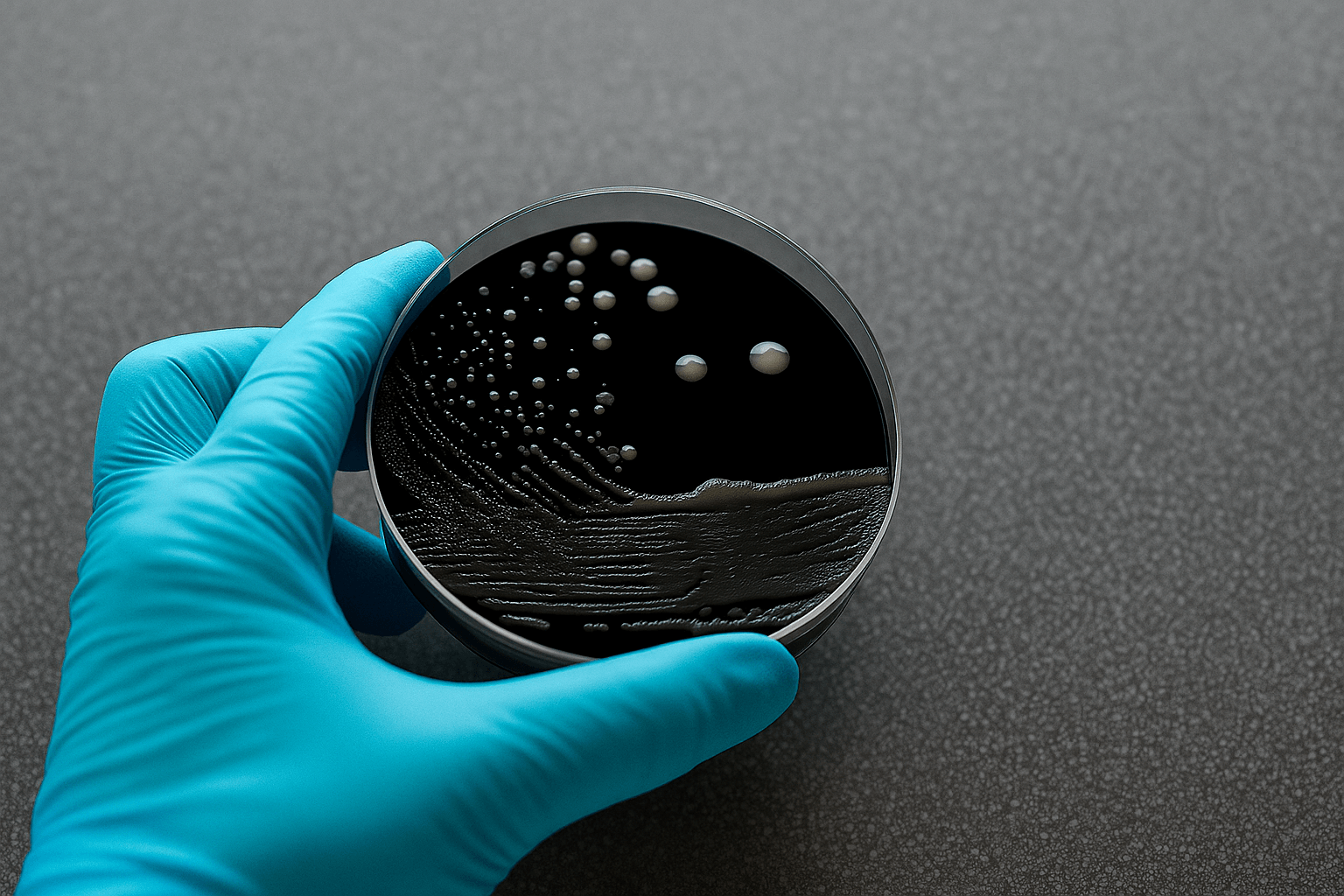
Legionella are naturally occurring bacteria found in freshwater and soil. In low numbers they’re generally harmless, but when they enter man-made systems with warm, recirculating water and minimal flow, they can multiply rapidly.
The most clinically significant species, Legionella pneumophila, causes Legionnaires’ disease — a severe form of pneumonia. The bacteria spread when people inhale fine water droplets (aerosols) containing Legionella that have been released from contaminated systems. Once inhaled, they can infect the lungs and trigger illness within 2 to 10 days. Most healthy people exposed won’t become ill, but smokers, older adults, and anyone with weakened immunity are at higher risk. In Australia, the disease is monitored closely through state health departments and reported cases must be investigated to find the source.
Understanding Legionella and Legionnaires’ disease is about seeing how easily that chain can form — warm water, stagnant sections, microbial growth, and aerosol release — then breaking that chain through proper system care.
You can find answers to common questions about symptoms, transmission, and testing in our Legionella FAQ.
What is Legionella and how does it lead to illness?
Legionella are naturally occurring bacteria found in freshwater and soil. In low numbers they’re generally harmless, but when they enter man-made systems with warm, recirculating water and minimal flow, they can multiply rapidly.
The most clinically significant species, Legionella pneumophila, causes Legionnaires’ disease — a severe form of pneumonia. The bacteria spread when people inhale fine water droplets (aerosols) containing Legionella that have been released from contaminated systems. Once inhaled, they can infect the lungs and trigger illness within 2 to 10 days. Most healthy people exposed won’t become ill, but smokers, older adults, and anyone with weakened immunity are at higher risk. In Australia, the disease is monitored closely through state health departments and reported cases must be investigated to find the source.
Understanding Legionella and Legionnaires’ disease is about seeing how easily that chain can form — warm water, stagnant sections, microbial growth, and aerosol release — then breaking that chain through proper system care.
You can find answers to common questions about symptoms, transmission, and testing in our Legionella FAQ.

Why cooling towers (and other water systems) deserve your attention

Cooling towers are one of the most common sources linked to Legionella growth because their operation provides ideal conditions: warm water, exposure to air, and continuous aerosol generation. As water circulates through a tower, it’s sprayed or trickled over fill media while air is drawn through to reject heat. That process creates a fine mist, and if the tower water contains Legionella, those droplets can drift into the surrounding air.
According to the Victorian Department of Health, cooling-tower systems must be carefully maintained to prevent conditions that allow microbial growth, including stagnant water, biofilm, and poor water quality. Even minor lapses — inconsistent biocide dosing, infrequent cleaning, or neglected dead-legs in pipework — can tip the balance and let bacteria multiply.
Other water systems can play a role too. Showers, taps, garden hoses, decorative fountains, spas and misting devices can all produce aerosolised droplets capable of carrying bacteria. While cooling towers are often the focus due to their size and exposure potential, managing Legionella risk means understanding every point where warm water and air mix.
Why cooling towers (and other water systems) deserve your attention
Cooling towers are one of the most common sources linked to Legionella growth because their operation provides ideal conditions: warm water, exposure to air, and continuous aerosol generation. As water circulates through a tower, it’s sprayed or trickled over fill media while air is drawn through to reject heat. That process creates a fine mist, and if the tower water contains Legionella, those droplets can drift into the surrounding air.
According to the Victorian Department of Health, cooling-tower systems must be carefully maintained to prevent conditions that allow microbial growth, including stagnant water, biofilm, and poor water quality. Even minor lapses — inconsistent biocide dosing, infrequent cleaning, or neglected dead-legs in pipework — can tip the balance and let bacteria multiply.
Other water systems can play a role too. Showers, taps, garden hoses, decorative fountains, spas and misting devices can all produce aerosolised droplets capable of carrying bacteria. While cooling towers are often the focus due to their size and exposure potential, managing Legionella risk means understanding every point where warm water and air mix.
In Victoria, cooling-tower maintenance is regulated under the Public Health and Wellbeing Regulations 2019. These set out clear obligations for the responsible person — anyone who owns, manages or controls a cooling-tower system. The land owner must register the cooling tower system with the Department of Health, perform an annual audit of their Risk Management Plan (RMP), and be able to produce evidence of that plan in action at any time upon request. They must also comply with all directives and allow authorised inspectors free access to assess the system’s condition and records.
As your service partner, we help ensure those obligations are met and your system operates safely:
We provide chemical treatment and balancing, maintaining appropriate biocide concentrations and corrosion control to minimise microbial growth.
Our technicians carry out routine cleaning and super-cleaning of towers — including the basin, fill pack and drift eliminators — to remove visible contamination and ensure good circulation.
We perform regular heterotrophic colony counts (HCC) and Legionella tests, as required by regulation and your RMP. Results are carefully interpreted, and if any sample is reported as unsatisfactory, we contact you immediately to advise on next steps and perform the required remedial disinfection and re-testing to eliminate the risk.
We can manage your Risk Management Plan reviews, annual audits, and updates so your documentation remains current. Every service we perform is recorded in detail, and copies of these reports are provided at completion and are available to you anytime in future for compliance or auditing purposes.
The aim isn’t just passing an audit — it’s preventing an outbreak through disciplined, evidence-based maintenance and testing. For more insight into testing frequencies, interpreting Legionella results, and the specific response procedures required under Victorian regulations, visit our Legionella FAQ.
By keeping water systems clean, balanced and well-monitored, you can prevent conditions that allow Legionella to grow and protect both people and property. Here are the essentials to remember:
If your cooling tower hasn’t been reviewed, serviced or tested recently — or if you’re not satisfied with your current maintenance provider — contact us today. We’ll inspect your system, review your RMP and testing program, and design a maintenance plan that keeps you compliant, protects occupants and ensures the long-term safety of your facility.