The Hidden Cost of Boiler Scale: How Scale Affects Efficiency, Energy Use, and Your Bottom Line
Boiler scale is one of the most common problems affecting industrial steam systems, yet it is often underestimated. When dissolved minerals in water deposit on internal boiler surfaces, boiler scale gradually builds up on heat-transfer surfaces such as boiler tubes and the internal drum.
In well-managed systems, water treatment programs and pretreatment equipment are designed to control these minerals and prevent deposits from forming. However, when feedwater quality changes or treatment programs are not properly maintained, minerals such as calcium, magnesium, and silica can accumulate in the boiler. Understanding what boiler scale is and how it forms is the first step in recognising why these deposits can become a problem inside steam systems.
The real issue with boiler scale is its effect on heat transfer. Boilers rely on efficient heat transfer from the combustion side of the boiler to the water being converted into steam. When scale forms on these surfaces, it acts as an insulating layer, making it more difficult for heat to pass into the water. As explained later in how boiler scale reduces boiler efficiency,this loss of heat transfer forces boilers to burn more fuel to produce the same amount of steam.
Even relatively small amounts of boiler scale can increase energy consumption and operating costs. In many facilities, the additional fuel required to overcome scale buildup can quietly add thousands of dollars to annual operating costs. To better understand the real impact boiler scale can have on energy use and operating costs,we have also included a calculator that allows you to estimate how scale buildup may be affecting your own system.
What Is Boiler Scale?
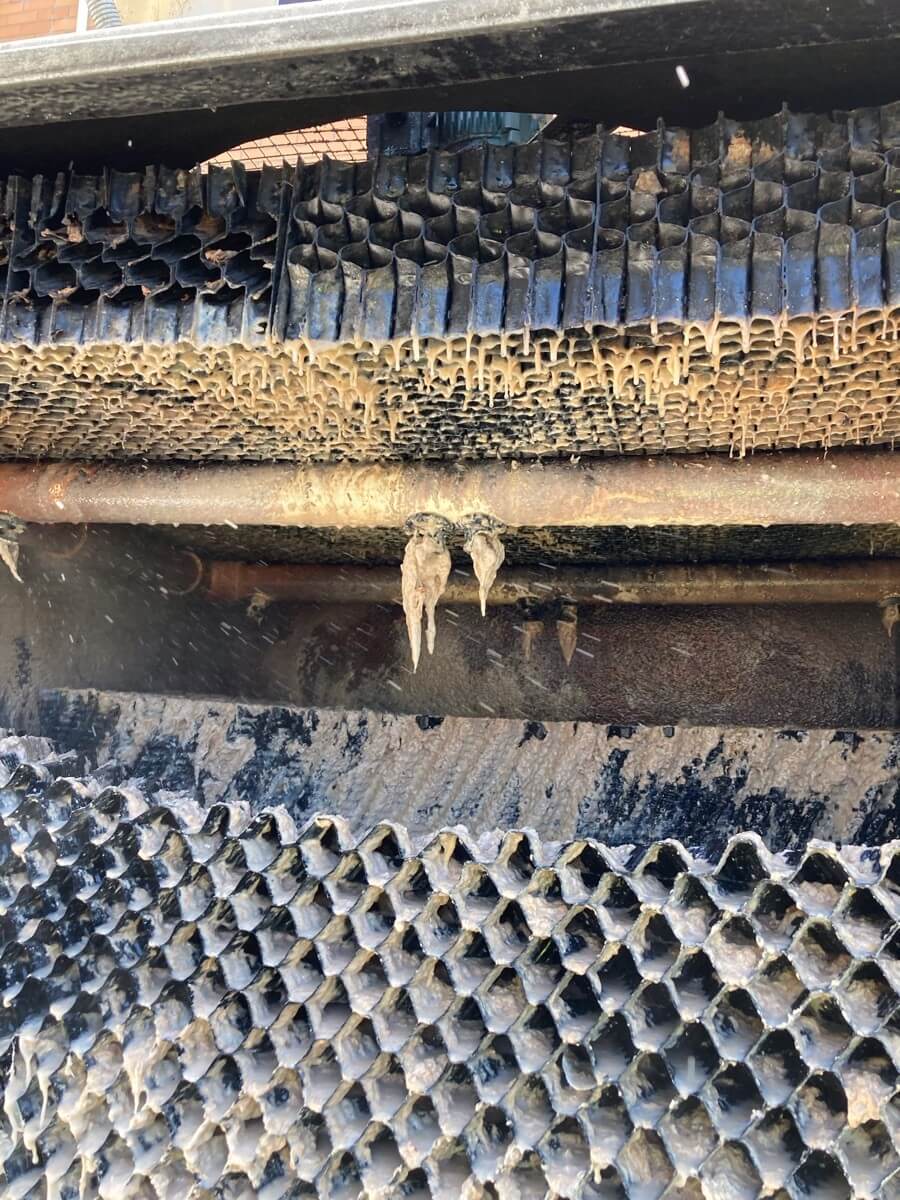
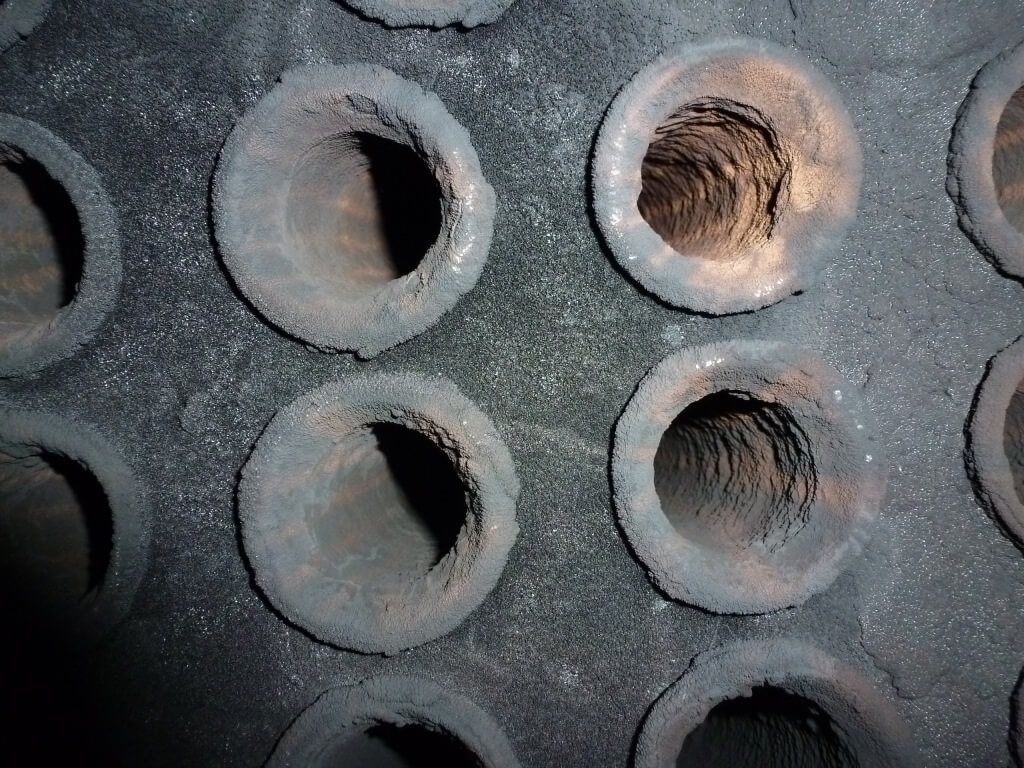
Boiler scale is a hard mineral deposit that forms on the internal surfaces of a boiler when dissolved minerals in the water precipitate and attach to metal surfaces. These deposits typically form on heat-transfer surfaces, such as boiler tubes, where water is heated and steam is produced. The minerals most commonly responsible for boiler scale include calcium, magnesium, silica, and other dissolved solids that are naturally present in many water supplies. When water is heated inside a boiler, these minerals can become less soluble and begin to crystallise, attaching to metal surfaces and gradually forming layers of scale.
This process occurs because, as water is heated and converted into steam, the remaining dissolved solids become more concentrated. Eventually, the concentration reaches a point where the minerals can no longer remain dissolved in the water. When this happens, they precipitate from solution and form solid deposits on the internal surfaces of the boiler. High hardness in the feedwater increases the likelihood of calcium-based scale formation, while silica can contribute to particularly stubborn deposits in higher-pressure systems.
In well-managed boiler systems, scale formation is controlled through a combination of pre-treatment equipment and chemical treatment programs. Water softeners or other pretreatment systems remove hardness minerals from the makeup water, while chemical treatment and controlled blowdown help prevent dissolved solids from reaching concentrations that promote scale formation. However, boiler scale can still develop when these systems are not properly maintained or monitored. Malfunctioning softeners, incorrect chemical dosing, inadequate blowdown rates, or unexpected changes in feedwater quality can all allow minerals to accumulate inside the boiler. Once scale formation begins, deposits can build surprisingly quickly, and several millimetres of boiler scale can develop if the underlying conditions are not corrected.
Boiler scale is a hard mineral deposit that forms on the internal surfaces of a boiler when dissolved minerals in the water precipitate and attach to metal surfaces. These deposits typically form on heat-transfer surfaces, such as boiler tubes, where water is heated and steam is produced. The minerals most commonly responsible for boiler scale include calcium, magnesium, silica, and other dissolved solids that are naturally present in many water supplies. When water is heated inside a boiler, these minerals can become less soluble and begin to crystallise, attaching to metal surfaces and gradually forming layers of scale.
This process occurs because, as water is heated and converted into steam, the remaining dissolved solids become more concentrated. Eventually, the concentration reaches a point where the minerals can no longer remain dissolved in the water. When this happens, they precipitate from solution and form solid deposits on the internal surfaces of the boiler. High hardness in the feedwater increases the likelihood of calcium-based scale formation, while silica can contribute to particularly stubborn deposits in higher-pressure systems.
In well-managed boiler systems, scale formation is controlled through a combination of pre-treatment equipment and chemical treatment programs. Water softeners or other pretreatment systems remove hardness minerals from the makeup water, while chemical treatment and controlled blowdown help prevent dissolved solids from reaching concentrations that promote scale formation. However, boiler scale can still develop when these systems are not properly maintained or monitored. Malfunctioning softeners, incorrect chemical dosing, inadequate blowdown rates, or unexpected changes in feedwater quality can all allow minerals to accumulate inside the boiler. Once scale formation begins, deposits can build surprisingly quickly, and several millimetres of boiler scale can develop if the underlying conditions are not corrected.
What Is Boiler Scale?
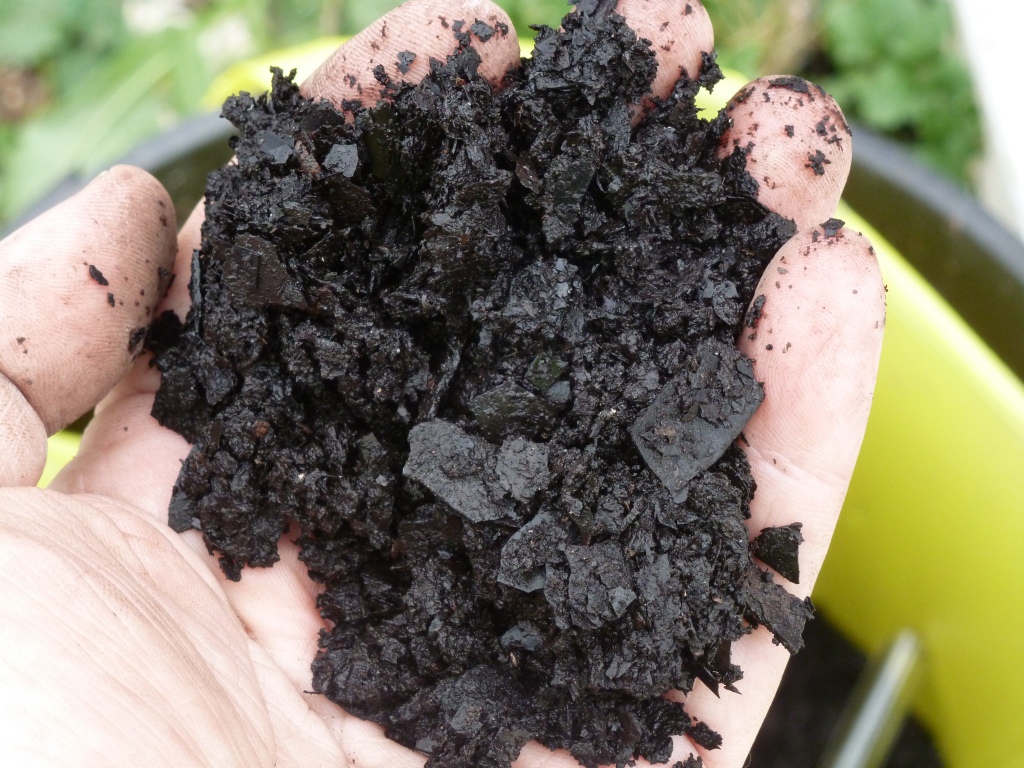
Boiler scale is a hard mineral deposit that forms on the internal surfaces of a boiler when dissolved minerals in the water precipitate and attach to metal surfaces. These deposits typically form on heat-transfer surfaces, such as boiler tubes, where water is heated and steam is produced. The minerals most commonly responsible for boiler scale include calcium, magnesium, silica, and other dissolved solids that are naturally present in many water supplies. When water is heated inside a boiler, these minerals can become less soluble and begin to crystallise, attaching to metal surfaces and gradually forming layers of scale.
This process occurs because, as water is heated and converted into steam, the remaining dissolved solids become more concentrated. Eventually, the concentration reaches a point where the minerals can no longer remain dissolved in the water. When this happens, they precipitate from solution and form solid deposits on the internal surfaces of the boiler. High hardness in the feedwater increases the likelihood of calcium-based scale formation, while silica can contribute to particularly stubborn deposits in higher-pressure systems.
In well-managed boiler systems, scale formation is controlled through a combination of pre-treatment equipment and chemical treatment programs. Water softeners or other pretreatment systems remove hardness minerals from the makeup water, while chemical treatment and controlled blowdown help prevent dissolved solids from reaching concentrations that promote scale formation. However, boiler scale can still develop when these systems are not properly maintained or monitored. Malfunctioning softeners, incorrect chemical dosing, inadequate blowdown rates, or unexpected changes in feedwater quality can all allow minerals to accumulate inside the boiler. Once scale formation begins, deposits can build surprisingly quickly, and several millimetres of boiler scale can develop if the underlying conditions are not corrected.
How Boiler Scale Reduces Boiler Efficiency
Boilers are designed to transfer heat efficiently from the combustion side of the boiler to the water being converted into steam. The metal surfaces inside a boiler, particularly the tubes that carry water and steam, allow heat to pass quickly through the metal and into the water. This efficient heat transfer is what allows a boiler to generate steam while using the least possible amount of fuel.
Boiler scale interferes with this process because the mineral deposits that form scale are much poorer conductors of heat than the steel surfaces of the boiler. When boiler scale builds up on heat transfer surfaces it acts as an insulating layer between the heat source and the water. Instead of heat passing efficiently through the metal surface, some of it is blocked by the scale layer, making it more difficult for the boiler to transfer energy to the water.
As a result, the boiler must burn more fuel to deliver the same amount of heat and maintain the same steam output. Even relatively thin layers of boiler scale can reduce heat transfer efficiency, and as the scale thickens, the effect becomes progressively more significant. In systems where scale is allowed to accumulate over time, the reduction in heat transfer forces the boiler to work harder and consume more fuel to maintain production.
The result is a gradual but measurable increase in energy consumption. What may begin as a relatively small reduction in efficiency can grow into a significant operating cost as scale continues to build up on heat-transfer surfaces.
Boilers are designed to transfer heat efficiently from the combustion side of the boiler to the water being converted into steam. The metal surfaces inside a boiler, particularly the tubes that carry water and steam, allow heat to pass quickly through the metal and into the water. This efficient heat transfer is what allows a boiler to generate steam while using the least possible amount of fuel.
Boiler scale interferes with this process because the mineral deposits that form scale are much poorer conductors of heat than the steel surfaces of the boiler. When boiler scale builds up on heat transfer surfaces it acts as an insulating layer between the heat source and the water. Instead of heat passing efficiently through the metal surface, some of it is blocked by the scale layer, making it more difficult for the boiler to transfer energy to the water.
As a result, the boiler must burn more fuel to deliver the same amount of heat and maintain the same steam output. Even relatively thin layers of boiler scale can reduce heat transfer efficiency, and as the scale thickens, the effect becomes progressively more significant. In systems where scale is allowed to accumulate over time, the reduction in heat transfer forces the boiler to work harder and consume more fuel to maintain production.
The result is a gradual but measurable increase in energy consumption. What may begin as a relatively small reduction in efficiency can grow into a significant operating cost as scale continues to build up on heat-transfer surfaces.
How Boiler Scale Reduces Boiler Efficiency
Boilers are designed to transfer heat efficiently from the combustion side of the boiler to the water being converted into steam. The metal surfaces inside a boiler, particularly the tubes that carry water and steam, allow heat to pass quickly through the metal and into the water. This efficient heat transfer is what allows a boiler to generate steam while using the least possible amount of fuel.
Boiler scale interferes with this process because the mineral deposits that form scale are much poorer conductors of heat than the steel surfaces of the boiler. When boiler scale builds up on heat transfer surfaces it acts as an insulating layer between the heat source and the water. Instead of heat passing efficiently through the metal surface, some of it is blocked by the scale layer, making it more difficult for the boiler to transfer energy to the water.
As a result, the boiler must burn more fuel to deliver the same amount of heat and maintain the same steam output. Even relatively thin layers of boiler scale can reduce heat transfer efficiency, and as the scale thickens, the effect becomes progressively more significant. In systems where scale is allowed to accumulate over time, the reduction in heat transfer forces the boiler to work harder and consume more fuel to maintain production.
The result is a gradual but measurable increase in energy consumption. What may begin as a relatively small reduction in efficiency can grow into a significant operating cost as scale continues to build up on heat-transfer surfaces.
Boiler Scale Cost Calculator
The impact of boiler scale on efficiency is often underestimated because the additional fuel consumption is not always obvious in day-to-day operation. Boilers will usually continue producing steam even as scale begins to build up on heat-transfer surfaces, but the system must burn progressively more fuel to maintain the same output.
Over time, this gradual increase in energy demand can translate into a high hidden cost. Even a few millimetres of boiler scale can increase the amount of fuel required to generate steam, particularly in systems that operate for long hours or run continuously throughout the year.
The calculator below allows you to estimate how boiler scale may be affecting your system’s energy use and operating costs. By entering a few basic details about your boiler capacity, operating schedule, fuel price, and estimated scale thickness, you can see how reduced efficiency may translate into additional fuel consumption and operating expense.
Boiler Scale Cost Calculator
Estimate the energy and financial impact of boiler scale buildup.
The Real Impact of Boiler Scale
The effect of boiler scale is not always obvious during normal operation. In many cases, a boiler will continue to produce steam even as scale gradually builds on heat transfer surfaces. Because steam output can still be maintained, the underlying loss in efficiency may go unnoticed while fuel consumption slowly increases.

The effect of boiler scale is not always obvious during normal operation. In many cases, a boiler will continue to produce steam even as scale gradually builds on heat transfer surfaces. Because steam output can still be maintained, the underlying loss in efficiency may go unnoticed while fuel consumption slowly increases.
As scale thickness increases, heat transfer becomes progressively less efficient. The insulating layer created by boiler scale forces the boiler to work harder to deliver the same amount of heat into the water. This means the burner must operate longer or consume more fuel to maintain steam production, increasing overall energy demand. The relationship between scale thickness and efficiency loss is not perfectly linear. Small deposits may cause relatively modest losses, but as scale becomes thicker, the reduction in heat transfer accelerates, and the additional fuel required can increase rapidly.
As scale thickness increases, heat transfer becomes progressively less efficient. The insulating layer created by boiler scale forces the boiler to work harder to deliver the same amount of heat into the water. This means the burner must operate longer or consume more fuel to maintain steam production, increasing overall energy demand. The relationship between scale thickness and efficiency loss is not perfectly linear. Small deposits may cause relatively modest losses, but as scale becomes thicker, the reduction in heat transfer accelerates, and the additional fuel required can increase rapidly.
For facilities that operate boilers for many hours each day, even small efficiency losses can translate into significant energy costs over time. A thin layer of boiler scale may only reduce efficiency slightly, but when this loss is applied to thousands of operating hours each year, the additional fuel required can become substantial. In larger systems or continuous operations, the financial impact can grow quickly as scale accumulates.
For facilities that operate boilers for many hours each day, even small efficiency losses can translate into significant energy costs over time. A thin layer of boiler scale may only reduce efficiency slightly, but when this loss is applied to thousands of operating hours each year, the additional fuel required can become substantial. In larger systems or continuous operations, the financial impact can grow quickly as scale accumulates.
Beyond increased fuel consumption, boiler scale can also place additional stress on the boiler itself. Because scale prevents heat from transferring efficiently into the water, metal surfaces inside the boiler can reach higher temperatures than intended. Over time, this can contribute to tube overheating, reduced equipment life, and a higher risk of unplanned downtime. While these effects may develop gradually, they underscore why controlling boiler scale is essential to maintaining reliable and efficient boiler operation.
Beyond increased fuel consumption, boiler scale can also place additional stress on the boiler itself. Because scale prevents heat from transferring efficiently into the water, metal surfaces inside the boiler can reach higher temperatures than intended. Over time, this can contribute to tube overheating, reduced equipment life, and a higher risk of unplanned downtime. While these effects may develop gradually, they underscore why controlling boiler scale is essential to maintaining reliable and efficient boiler operation.

Preventing Boiler Scale and Protecting Boiler Efficiency
Preventing boiler scale begins with controlling the quality of the water entering the boiler. Most industrial boiler systems rely on a combination of pre-treatment equipment and carefully managed chemical treatment programs to keep dissolved minerals under control. Water softeners, filtration systems, and other pre-treatment equipment remove hardness minerals and suspended solids before the water reaches the boiler, reducing the likelihood that scale-forming minerals will accumulate inside the system.
Once water enters the boiler system, chemical treatment programs help control the remaining dissolved solids and prevent mineral deposits from forming on heat transfer surfaces. These programs are typically designed to keep minerals suspended in the water so they can be removed through controlled blowdown rather than forming solid deposits inside the boiler. Regular monitoring of water chemistry is also essential to ensure treatment levels remain effective as operating conditions change.
Maintaining proper blowdown rates is another important factor in preventing boiler scale. As water is converted into steam, the dissolved solids left behind become more concentrated. Blowdown removes a portion of this concentrated water from the system and replaces it with fresh makeup water, helping prevent dissolved solids from reaching levels where scale formation becomes likely.
In systems where deposits have already begun to develop, corrective treatment programs can often remove or gradually reduce existing scale without requiring aggressive chemical cleaning. Carefully managed online cleaning programs can help restore heat-transfer surfaces while allowing the boiler to remain in operation, reducing the risk of damage that can occur during harsh cleaning procedures.
By maintaining proper pretreatment, monitoring water chemistry, and effectively managing blowdown and treatment programs, facilities can significantly reduce the risk of boiler scale formation. Controlling boiler scale not only protects the boiler itself but also helps maintain efficient heat transfer, stable steam production, and lower operating costs over the long term.
The following key takeaways highlight the most important things to understand about boiler scale and its impact on boiler efficiency:
Boiler scale is a common issue in steam systems, but its impact on efficiency and operating costs is often underestimated. As scale builds on heat-transfer surfaces, it reduces heat-transfer efficiency, forcing boilers to consume more fuel to maintain steam production. Over time, this additional energy demand can increase operating costs and place unnecessary stress on boiler equipment.
Maintaining proper water treatment, pretreatment, and system monitoring helps prevent scale formation and keeps boiler systems operating efficiently. If you would like assistance reviewing or improving the water treatment program for your boiler system, the Tandex team can help. Our specialists work with industrial sites across Australia to monitor water quality, control scale formation, and optimise treatment programs so boiler systems operate safely, efficiently, and reliably. You can contact our team to discuss your system or arrange a review of your current water treatment program.