Why Industrial Water Treatment Is Essential for Industrial Equipment
Industrial facilities rely on water every day to transfer heat, generate steam, regulate temperatures, and support production processes. Equipment such as cooling towers, boilers, and closed loop systems depends on stable water conditions to operate efficiently and reliably. Maintaining those conditions is the role of industrial water treatment.
Water entering a facility always contains dissolved minerals, suspended solids, gases, and microorganisms. When that water circulates through industrial equipment, these contaminants can gradually affect system performance and equipment condition. Industrial water treatment manages these risks through monitoring, chemical control, and supporting technologies that keep water chemistry within safe operating limits. Upstream processes also play an important role. Water pretreatment and filtration systems improve the quality of incoming water before it reaches critical equipment. By removing minerals and suspended solids early, pretreatment helps reduce the treatment load on boilers, cooling systems, and other plant infrastructure.
Together, these approaches help maintain reliable operation across industrial water systems. When water conditions are properly managed, equipment operates more efficiently, maintenance demands are reduced, and facilities are better positioned to maintain consistent production.
Why Water Quality Matters in Industrial Systems
Industrial water systems operate under conditions that accelerate chemical and biological reactions. Heat, pressure, and continuous circulation create an environment in which contaminants in the water quickly interact with system materials and surfaces. When water chemistry is not properly controlled, four primary problems commonly develop within industrial equipment:
Scale Formation
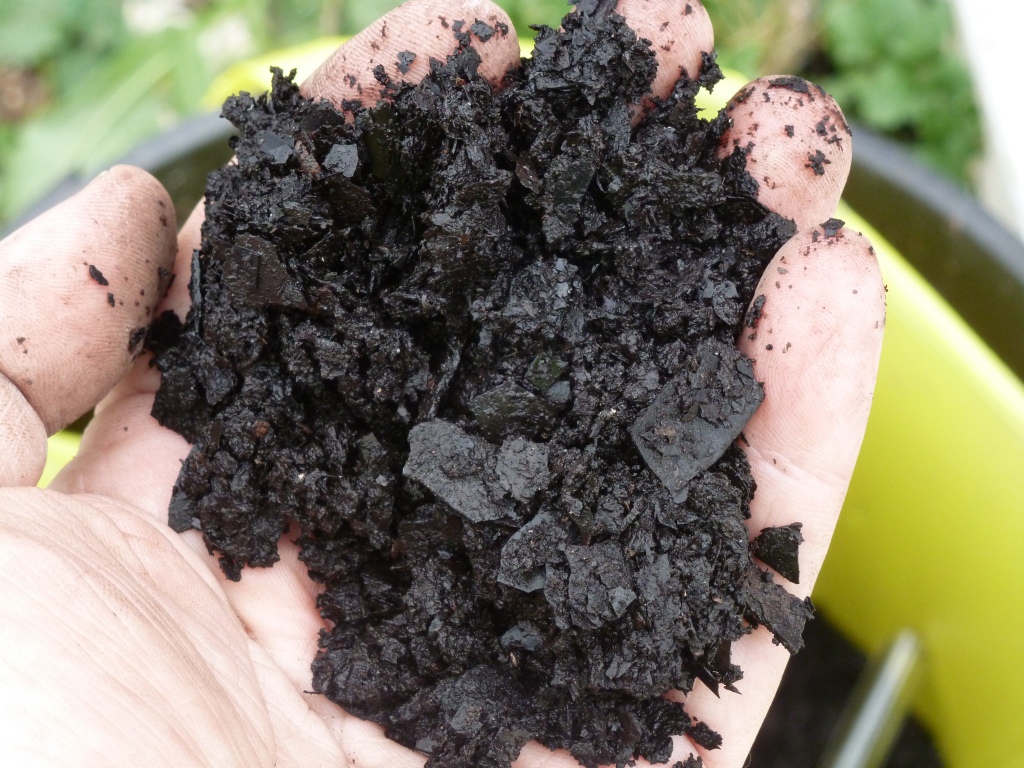
Over time, these deposits accumulate on metal surfaces and create an insulating layer that interferes with heat transfer. Even relatively thin scale layers can reduce system efficiency and place additional stress on equipment.
Corrosion
Corrosion occurs when metal surfaces react with dissolved oxygen, carbon dioxide, or aggressive water chemistry. These reactions gradually remove metal from pipes, vessels, and heat exchangers.
As corrosion progresses, metal surfaces weaken, and corrosion byproducts begin circulating through the system. These materials can settle elsewhere in the system and contribute to additional deposit formation.
Biological Growth
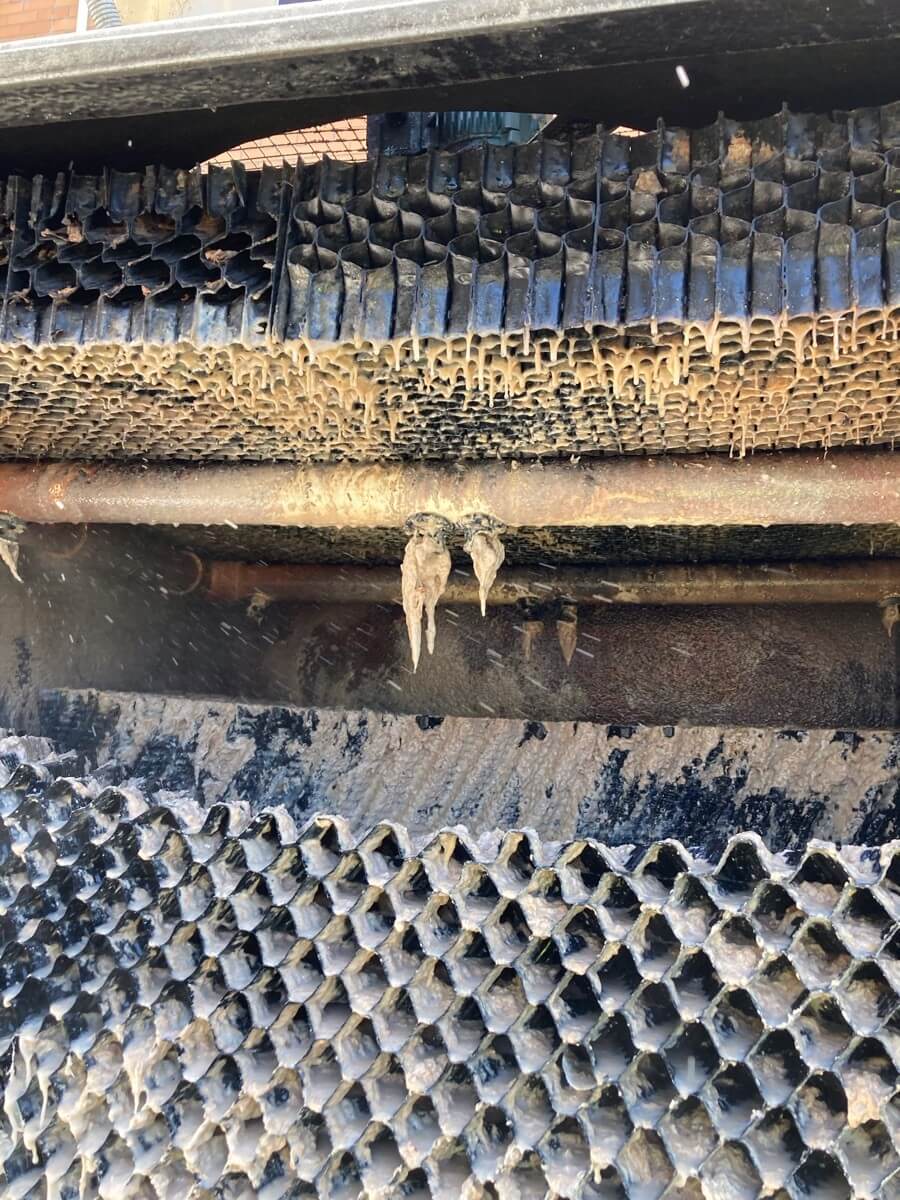
Warm water environments support the growth of microorganisms such as bacteria and algae. These organisms can attach to internal surfaces and form biofilms that protect colonies from normal water flow.
Biological activity can restrict flow, interfere with heat transfer, and create conditions that support harmful bacteria in open water systems such as cooling towers.
Fouling and Deposits
Because fouling often develops slowly, it may not be immediately visible. By the time reduced flow or performance problems become noticeable, deposits may already be well established inside the system.
Together, these issues illustrate why controlling water quality is essential for maintaining stable operating conditions in industrial equipment.
The Hidden Operational Costs of Poor Industrial Water Treatment
The impact of poor water quality is not always immediately visible. Systems may continue operating while internal deposits and corrosion gradually increase. One of the earliest effects is reduced efficiency, as scale and fouling interfere with heat-transfer surfaces, forcing equipment to consume more energy to maintain the same output. Boilers require more fuel to generate steam, while cooling systems must work harder to maintain temperature control. Over time, this increased energy demand becomes a significant operating expense.
Maintenance requirements also increase as equipment begins to accumulate deposits and suffer from corrosion. Heat exchangers may require more frequent cleaning, pumps and valves experience additional wear, and system components can fail earlier than expected. These issues often develop slowly, so the connection to water quality may not be obvious at first.
Another major concern is the cost of unplanned downtime. When deposits or corrosion reach critical levels, systems may need to be taken offline for cleaning or repair. In many industrial environments, even short interruptions to production can result in substantial financial losses. Poor industrial water treatment can also shorten the life of major equipment, forcing earlier replacement of assets such as cooling towers, boilers, and associated plant infrastructure.
Industrial Systems That Depend on Industrial Water Treatment
Several types of industrial equipment depend heavily on effective industrial water treatment to maintain reliable operation. Each system operates under different conditions and presents its own treatment challenges.
Cooling Towers
As water evaporates during operation, dissolved minerals remain behind and gradually concentrate within the system. If these increasing mineral concentrations are not controlled, scale can begin to form on heat-transfer surfaces and internal components.
Cooling towers also present one of the most significant biological risks found in industrial water systems. Warm circulating water and continuous exposure to the atmosphere create ideal conditions for microbial growth. Bacteria and other microorganisms can quickly form biofilms that impede heat transfer, restrict water flow, and protect microbial colonies from treatment.
Unchecked biological activity can also create conditions that support Legionella bacteria, which is why controlling microbial growth is a critical part of effective cooling tower water treatment. Maintaining stable chemistry, applying appropriate biocide programs, and regularly monitoring microbial levels are essential for managing these risks.
Cooling towers are also vulnerable to suspended solids and airborne contaminants entering the system. Dirt, dust, and organic material can accumulate in basins and distribution systems, contributing to fouling and biological activity. Many facilities use sidestream filtration to remove these contaminants and help maintain cleaner circulating water.
As water evaporates during operation, dissolved minerals remain behind and gradually concentrate within the system. If these increasing mineral concentrations are not controlled, scale can begin to form on heat-transfer surfaces and internal components.
Cooling towers also present one of the most significant biological risks found in industrial water systems. Warm circulating water and continuous exposure to the atmosphere create ideal conditions for microbial growth. Bacteria and other microorganisms can quickly form biofilms that impede heat transfer, restrict water flow, and protect microbial colonies from treatment.
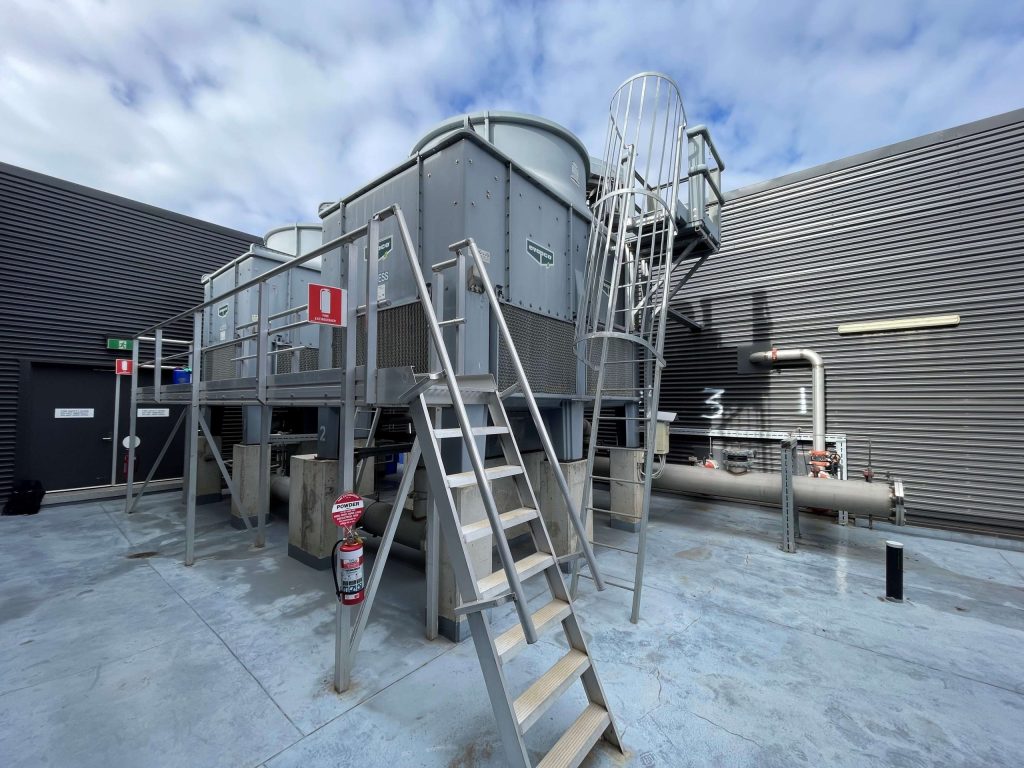
Unchecked biological activity can also create conditions that support Legionella bacteria, which is why controlling microbial growth is a critical part of effective cooling tower water treatment. Maintaining stable chemistry, applying appropriate biocide programs, and regularly monitoring microbial levels are essential for managing these risks.
Cooling towers are also vulnerable to suspended solids and airborne contaminants entering the system. Dirt, dust, and organic material can accumulate in basins and distribution systems, contributing to fouling and biological activity. Many facilities use sidestream filtration to remove these contaminants and help maintain cleaner circulating water.
Boilers
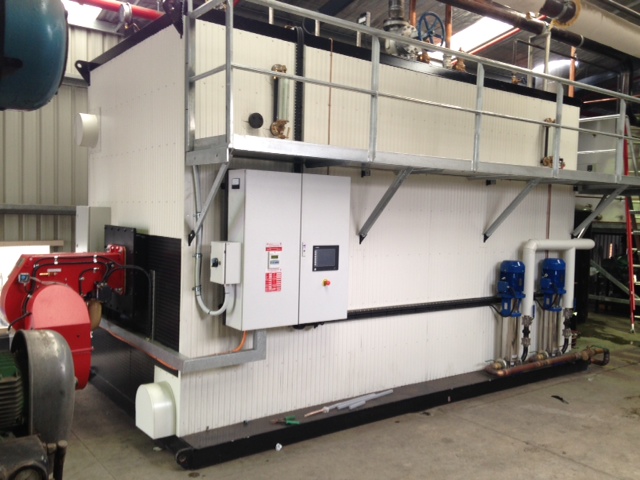
Boilers operate under high temperatures and pressures, which intensify the effects of water impurities. Even small amounts of hardness minerals can form scale on boiler tubes, reducing heat transfer efficiency and increasing fuel consumption.
Corrosion is another major concern in steam systems. Dissolved oxygen and other gases attack metal surfaces throughout the boiler and condensate network. Proper boiler water treatment manages these risks through feedwater conditioning, chemical treatment, regular boiler blowdown, and regular monitoring to maintain stable system chemistry.
Closed-Loop Systems
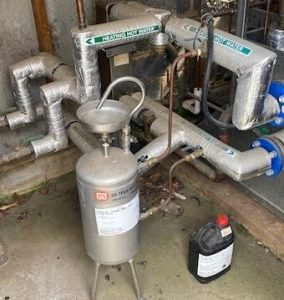
Closed-loop heating and cooling circuits circulate water through sealed piping networks. Because these systems are enclosed, they are often assumed to require minimal maintenance.
In reality, corrosion and microbial activity can still develop if water chemistry is not properly controlled. Air ingress, stagnant areas, and unstable chemistry can gradually lead to corrosion products, deposits, and restricted flow within the system.
Effective closed-loop water treatment maintains stable water conditions and protects internal surfaces from corrosion, helping preserve long-term system reliability.
What an Effective Industrial Water Treatment Program Includes
An effective industrial water treatment program combines monitoring, chemical control, and supporting equipment to maintain stable water conditions throughout the system. Rather than relying on a single treatment method, successful programs use multiple strategies that work together to control scale, corrosion, biological growth, and fouling.
Chemical treatment plays a central role in maintaining proper water chemistry. Carefully selected treatment chemicals help prevent mineral deposits, control corrosion reactions, and manage biological activity within circulating water systems. Maintaining correct dosing levels ensures the treatment program remains effective as operating conditions change.
Upstream processes also support overall system stability. Systems used for water pretreatment and filtration remove minerals, suspended solids, and other contaminants from incoming water before it reaches critical equipment. By improving feedwater quality, pretreatment helps reduce the treatment load placed on boilers, cooling towers, and other plant systems.
Regular monitoring and service inspections help ensure the treatment program continues operating as intended. During these visits, technicians test key parameters such as pH, conductivity, hardness, and microbial levels while also evaluating the overall condition of the system. Detecting small changes in water chemistry early allows operators to correct issues before deposits, corrosion, or biological growth begin affecting equipment performance.
The Long-Term Value of Industrial Water Treatment
When industrial water treatment is properly managed, the benefits extend well beyond routine maintenance. Clean heat transfer surfaces allow boilers and cooling systems to operate at their intended efficiency, reducing energy consumption and supporting stable production performance across industrial facilities.
Effective water treatment also helps reduce maintenance demands and operational risk. By preventing deposits, corrosion, and biological growth from developing inside equipment, systems remain cleaner and operate more reliably. This reduces the likelihood of unexpected failures and lowers the need for emergency repairs or corrective maintenance.
Reliable water chemistry control also supports safe operation and regulatory compliance. Many facilities must meet specific requirements for managing water systems, particularly where cooling towers are involved. Most importantly, effective industrial water treatment protects valuable plant infrastructure. Cooling towers, boilers, and associated equipment represent major investments, and maintaining stable water conditions helps ensure these assets continue delivering reliable performance for many years.
Industrial water systems operate under demanding conditions, which is why effective industrial water treatment is essential for maintaining reliable plant performance:
If you would like to better understand how your systems are performing, the team at Tandex can help review your current water treatment approach and identify practical opportunities to improve reliability, efficiency, and long-term equipment protection.